
Meta ads, Reddit, and conversion tracking, ranked by what actually produces All-on-4 consults, with the numbers and mistakes that decide the outcome.
Most implant practices that try social media marketing quietly conclude it does not work. They post smile photos three times a week, boost a few posts, maybe hire an agency to run "brand awareness" ads, and six months later they cannot point to a single full-arch case that came from any of it. Meanwhile, a smaller group of practices in the same markets are booking two, three, or five All-on-4 consults a month from Meta alone, at a cost per case that makes every other marketing channel look expensive.
The difference is not budget and it is not luck. Full-arch patients behave differently on social media than they do anywhere else. They are not searching yet. They are scrolling, often late at night, half-convinced their teeth are beyond saving and half-terrified of what fixing them will cost. Reaching that person takes a specific kind of creative, a specific kind of offer, and a follow-up system most practices never build. Everything else is decoration.
This guide breaks down what actually produces All-on-4 cases on social media, what wastes money, and why the practices that win are obsessed with one metric the rest ignore.
Does social media marketing actually generate All-on-4 cases?
Yes, and for full-arch specifically it is often the highest-volume lead source a practice can build. The reason comes down to how patients arrive at the decision. Someone searching "All-on-4 cost near me" on Google is already deep in the process, and you will pay for that intent. Full-arch leads from paid search commonly run $200 to $500 each in competitive markets. Meta ads work earlier in the process, creating demand instead of harvesting it, and full-arch leads there typically cost $15 to $45.
The tradeoff is lead quality and time. A Google lead might book a consult this week. A Meta lead saw your ad while scrolling, filled out a form on impulse, and may need seven to ten touchpoints before they sit in your chair. Practices that understand this build for it. Practices that expect Meta leads to behave like Google leads conclude the channel is broken and quit, usually right before it would have paid off.
The math is what makes the patience worthwhile. A full-arch reconstruction runs $20,000 to $40,000 per arch, and many patients ultimately treat both. At those case values, a channel producing leads at $30 each can tolerate a lot of unqualified inquiries and still deliver the cheapest full-arch cases you will ever acquire. Running your own numbers through the case value calculator makes the point concrete: at typical close rates, one accepted arch pays for months of ad spend.
What actually works on social media for implant practices?
Three things reliably produce full-arch cases: emotionally honest Meta ads, real patient stories on video, and disciplined retargeting. Everything that works is a variation of these.
Meta ads built around the patient's real fear, not your technology
The full-arch patient is not shopping for a procedure. They are living with something they hide. They chew on one side, cover their mouth when they laugh, and have usually been avoiding the dentist for years out of embarrassment. Ads that name that experience stop the scroll. Ads about your 3D-guided surgical workflow do not, because the patient does not care how the bridge gets placed. They care whether they can eat a steak at their daughter's wedding.
The creative that wins looks less like a dental ad and more like a testimonial: a real patient, before and after, talking about what they got back. Pair that with a concrete, low-commitment offer such as a free consult with a CT scan, and you have the core of every high-performing full-arch campaign running today.
Video of real patients, not stock footage
One authentic ninety-second video of a patient describing the day they stopped hiding their smile will outperform a year of polished graphics. Prospective patients are looking for proof that someone like them, same age, same shame, same fear of the cost, walked through your door and came out fine. Film every willing full-arch patient. That library becomes your ad creative, your organic content, and your consult-room closing tool all at once.
Retargeting the people who almost converted
Most of your future cases will see your ad, click, read, and leave. That is normal for a $25,000 decision. Retargeting keeps you in front of those visitors for the weeks or months they spend working up the nerve. It is the cheapest spend in the entire account, because the audience already knows you. A practice running cold ads without retargeting is filling a bucket with a hole in the bottom.
What doesn't work, no matter how consistently you do it?
The list of popular tactics that do not produce full-arch cases is longer than the list that does, and most practices spend the majority of their effort here.
Posting and praying
Organic posts to your own practice page reach almost nobody. Meta shows business page content to a small fraction of your followers, and your followers are mostly existing patients, staff, and their relatives. Posting three times a week to that audience is a hygiene activity, not a marketing strategy. It makes the page look alive when a prospective patient checks it, which matters, but it will not generate cases on its own.
Generic smile content
Stock photos of models with perfect teeth, National Smile Month graphics, and "Did you know?" trivia posts signal that a practice exists and nothing more. The full-arch patient scrolling past has severe decay or a failing denture. Content built for a general audience actively tells that person this practice is not for them.
Boosting posts instead of running real campaigns
The Boost button is Meta's tax on people who have not opened Ads Manager. Boosted posts optimize for engagement, meaning Meta shows them to people likely to click Like, not people likely to book a $25,000 surgery. Real campaigns with conversion objectives, custom audiences, and proper tracking cost the same money and produce entirely different results.
Buying leads with no follow-up system
This is the most expensive failure on the list. A practice runs decent ads, generates forty leads a month, has the front desk call each one once during business hours, reaches six of them, and books two. The other thirty-four leads cost real money and evaporated. Speed and persistence decide the outcome: a lead called within five minutes is dramatically more likely to book than one called the next morning, and most Meta leads need five or more contact attempts across calls and texts before they respond. If nobody in the practice owns that job, the ads are funding your competitors' education.

Should implant practices be on Reddit?
Yes, but not the way you are probably imagining. Reddit is where skeptical patients go after they have seen the ads. Communities like r/dentalimplants and r/askdentists are full of people comparing quotes, asking whether All-on-4 is a scam, and posting their recovery photos week by week. These threads rank on Google, get cited by AI search tools, and shape decisions for years after they are posted. A single honest thread about full-arch pricing can influence more prospective patients than a month of ad spend.
What works on Reddit is genuine expertise offered with no pitch. A practice owner or clinician who answers questions accurately, explains why quotes vary so much, and openly acknowledges the downsides of treatment builds the kind of credibility no ad can buy. What gets you destroyed is astroturfing: fake patient accounts, disguised self-promotion, and dropped links. Reddit users detect it quickly and the resulting thread will outrank your website for your own procedure keywords.
Treat Reddit as a trust channel, not a lead channel. Answer questions under a transparent account, contribute where you have real knowledge, and let your profile do the linking. The patients it influences will show up in your other channels looking like warmer leads, and you will rarely be able to trace exactly why.
Why do conversions matter more than leads?
Because leads are a cost and conversions are the business. This is the single biggest mindset gap between practices that make social media work and practices that quit. The losing practice measures leads and cost per lead. The winning practice measures consults booked, consults shown, and arches accepted, and manages every step in between.
Track conversions all the way to the chair, not the form
If your measurement stops at the form fill, Meta's algorithm is optimizing for form fills, and it will happily find you cheap leads who never answer the phone. Feeding real downstream outcomes back into the platform changes what the algorithm hunts for. That means installing the Meta Pixel properly, adding the Conversions API so tracking survives iOS privacy restrictions, and sending booked-consult and show events back to Meta as conversions. Practices that do this consistently watch lead quality improve month over month at the same spend, because the system is finally learning from the outcome that matters.
Manage the conversion chain like production
A full-arch funnel has four conversion points: lead to contact, contact to consult, consult to show, and show to acceptance. Small improvements compound. Moving contact rate from 40 to 70 percent through speed-to-lead and texting, and show rate from 50 to 75 percent through confirmation sequences and deposits, more than doubles your cases from the identical ad spend. No creative refresh or budget increase can match that, which is why the highest-return marketing investment for most implant practices is not more ads. It is fixing what happens after the lead arrives. Sedation capability plays a role here too, since fear is the most common reason a consult never becomes a case; the economics are covered in the guide to IV sedation certification for implant specialists.
How much should an implant practice budget for social media marketing?
For a practice serious about full-arch growth, a realistic starting point is $2,000 to $5,000 per month in Meta ad spend, plus whoever manages it. At a $25 to $45 cost per lead, that budget produces roughly 50 to 150 leads a month. With a functioning follow-up system converting even 3 to 5 percent of leads into accepted cases, the channel returns multiples of its cost on a single arch.
Two honest caveats. First, expect the first sixty to ninety days to be a learning period while creative is tested and the algorithm calibrates, and budget emotionally for that. Second, the budget only performs if the conversion infrastructure exists. A practice that cannot call leads within minutes, text persistently, and track outcomes should fix that before spending a dollar on ads. If managing all of this in-house is not realistic, Dental Implant Directory's marketing services exist for exactly this situation.
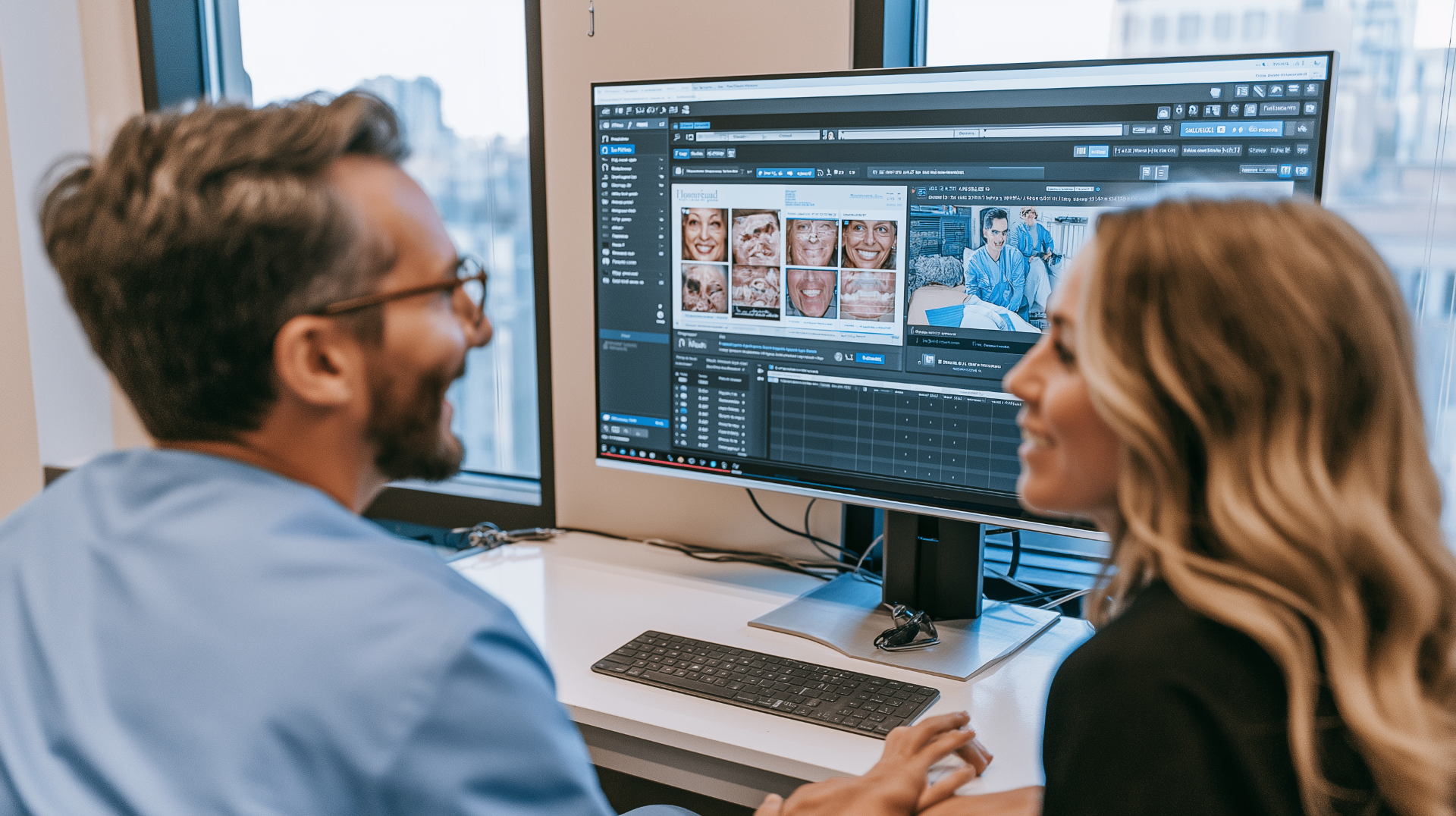
Quick answers on social media marketing for implant practices
What is the best social media platform for getting All-on-4 patients?
Meta (Facebook and Instagram) by a wide margin. The full-arch demographic, typically 45 to 75, spends significant time there, and the ad platform can target and optimize for high-value conversions.
How much does a full-arch lead cost on Facebook?
Typically $15 to $45, compared with $200 to $500 for full-arch leads from Google search. Meta leads are colder and need more follow-up before they book.
Do organic posts generate implant cases?
Almost never on their own. Organic content makes your page credible when prospective patients check it. Paid campaigns generate the leads.
Is Reddit worth a dentist's time?
As a credibility channel, yes. Implant threads rank on Google and inform AI search answers for years. Participate transparently and never astroturf.
What matters more, more leads or better conversion?
Better conversion, almost always. Doubling your contact and show rates doubles cases at zero additional ad spend. Most practices have far more room to improve conversion than lead volume.
The Bottom Line
Social media produces All-on-4 cases when a practice runs emotionally honest Meta ads with real patient stories, retargets relentlessly, shows up credibly in places like Reddit where skeptical patients do their homework, and treats every lead like the $25,000 opportunity it is. It fails when a practice posts stock smiles, boosts posts, and lets leads age overnight. The channel is not the differentiator. The conversion system behind it is. Build the follow-up machine first, measure through to accepted arches, and social media becomes the cheapest full-arch acquisition channel available to an implant practice. When you are ready to put your practice in front of patients actively researching implant providers, list your practice on Dental Implant Directory.
Get found by implant patients
Join the directory and start receiving qualified inquiries in your area. Plans start at $19.99/month.
Explore Listing Plans