Practice Operations and Growth: DSOs, Sedation, and Building Implant Capacity
Some growth decisions are not marketing problems. Whether to sell to a DSO, whether to spend a year getting IV sedation certified, and whether to add full-arch capacity in-house are structural choices that shape the practice for a decade. These guides lay out the real costs and payoffs so the decision is made on numbers rather than on a broker's pitch or a course brochure.
The DSO post covers what a DSO actually does, the advantages, the risks specific to implant dentists such as clinical autonomy, non-competes, and earn-out terms, and how to evaluate an offer. The IV sedation post prices the training, permit fees, equipment, and ongoing costs against the cases it wins, including the complex cases you currently refer out.
The rest of the topic covers the build-out: what it takes for a general practice to add All-on-4, whether to hire an associate surgeon or keep referring, when a cone-beam scanner and guided surgery pay for themselves, which parts of the lab to bring in-house, and how to price a full-arch case from costs rather than from the competitor down the street.

Practice Operations & Growth posts
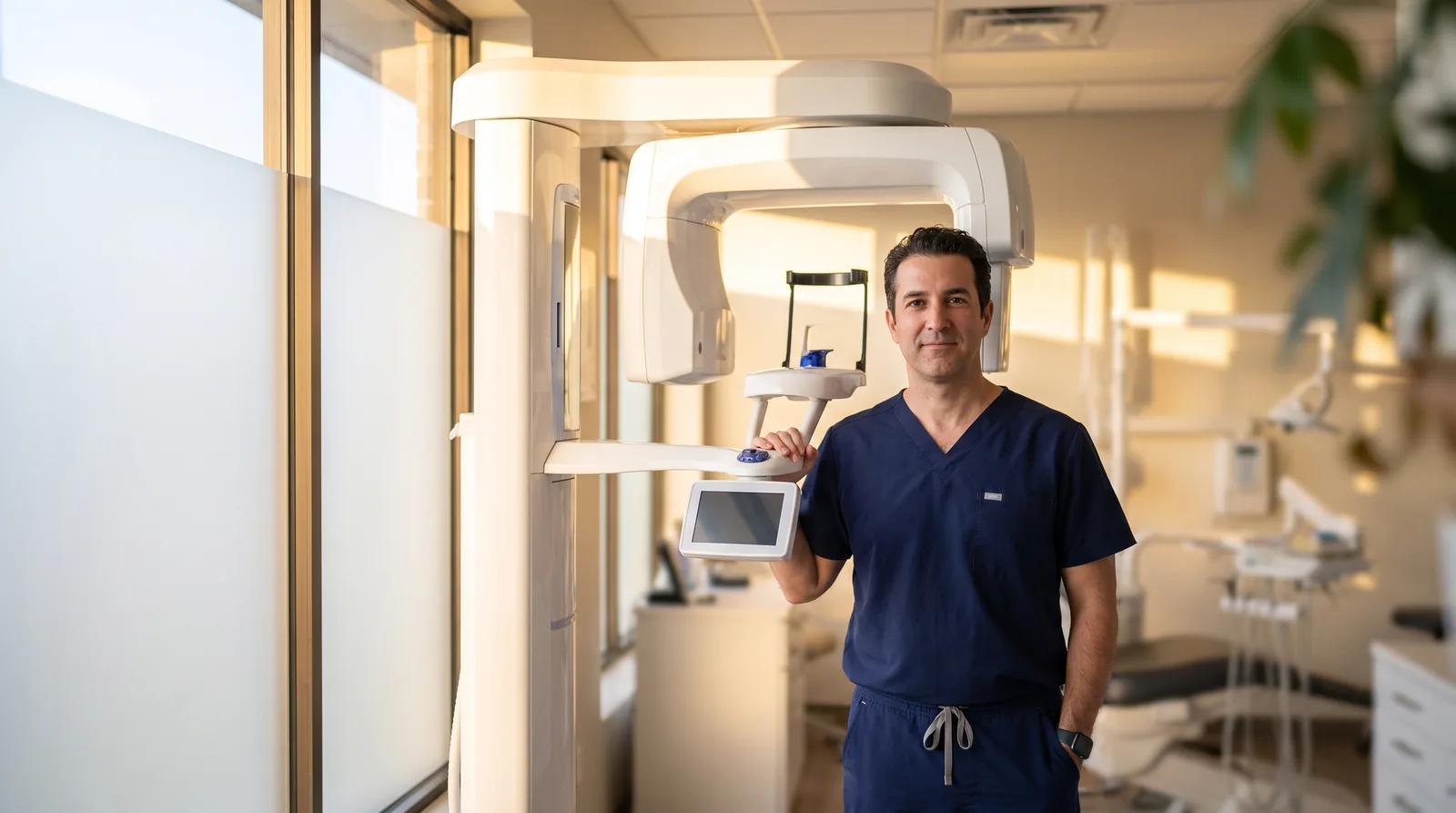
Adding All-on-4 to a General Practice: What It Actually Takes in Training, Equipment, Team, and Cases
The honest checklist for a general dentist who wants to bring full-arch treatment in-house, from the surgical training and the first mentored cases to the scanner, the lab relationship, the sedation plan, and the coordinator, and the point at which the numbers make sense.
Read more
Hiring an Associate Surgeon vs. Referring Implants Out: How a Growing Practice Should Decide
The volume at which a general practice should stop referring implant cases and bring in a surgeon, the three models for doing it, what each costs and returns, the referral relationships worth keeping regardless, and the mistakes that turn a good associate hire into a bad year.
Read more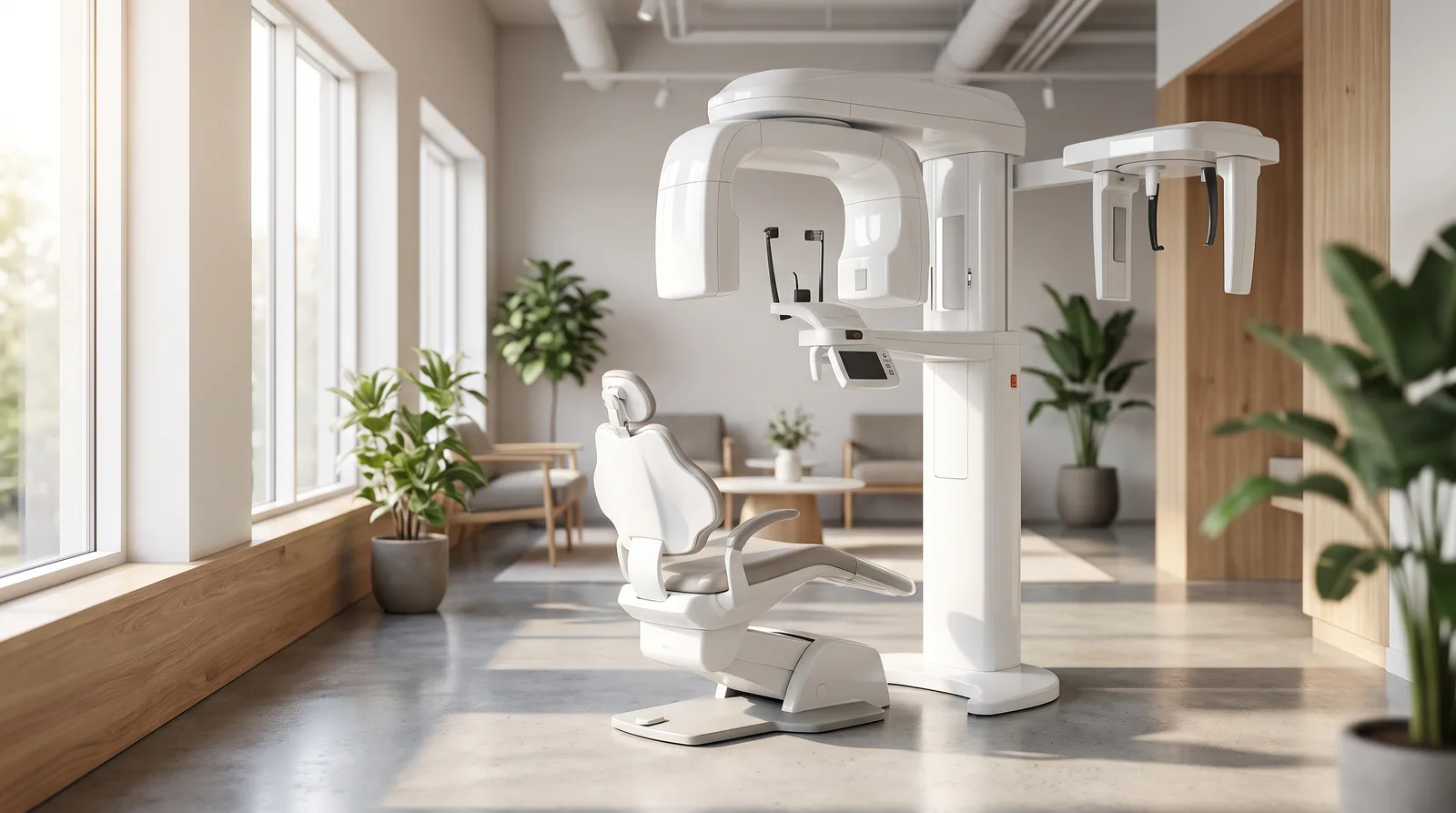
CBCT and Guided Surgery ROI for Implant Practices: When the Scanner Pays for Itself
How to run the numbers on a cone-beam CT scanner and guided surgery workflow, the case volume at which owning beats referring, the revenue that is easy to miss, the costs that are easy to underestimate, and how guided surgery changes the full-arch day.
Read more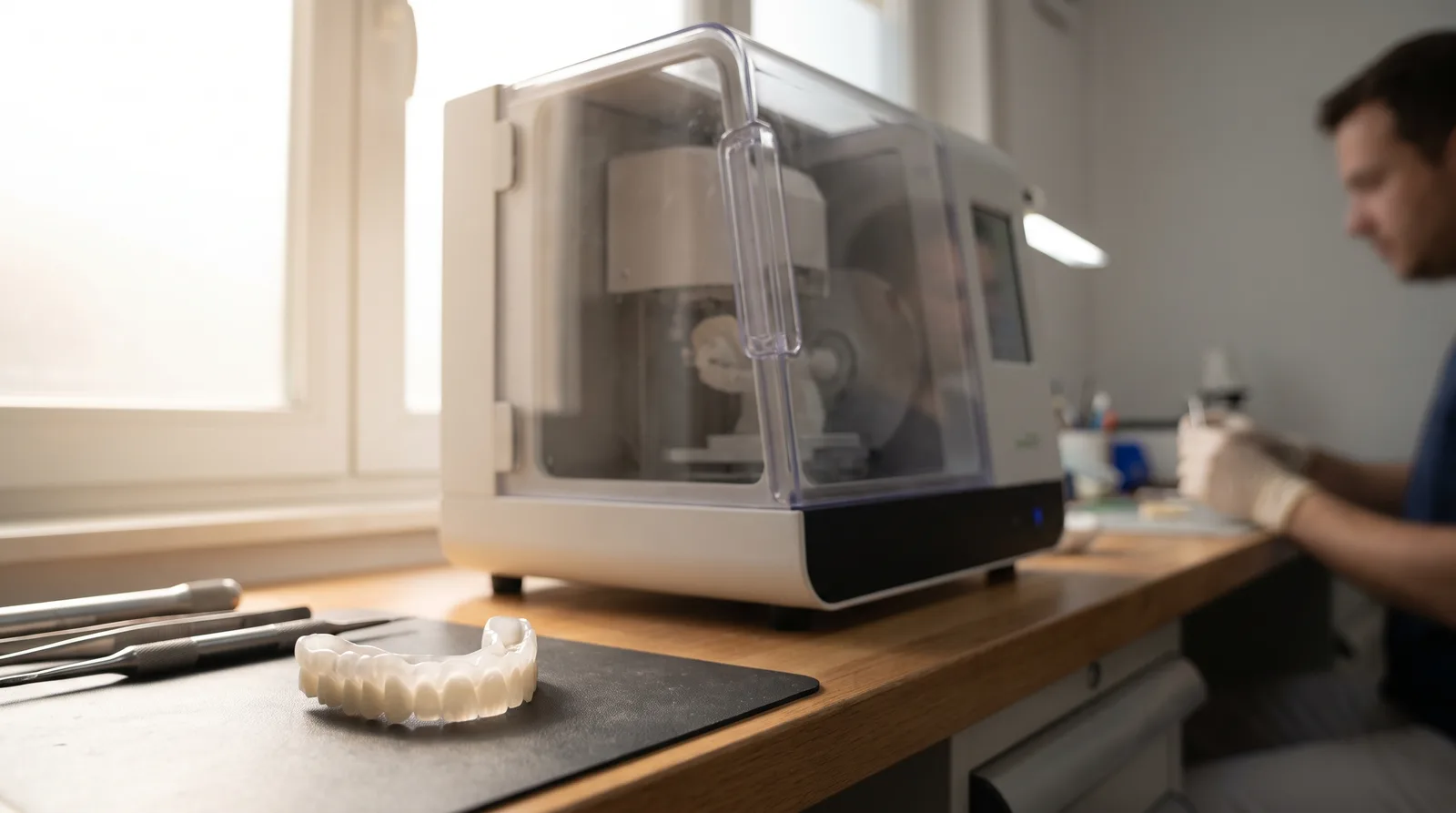
Should an Implant Practice Bring Its Lab In-House? Milling, Printing, and the Volume That Justifies It
What an in-house lab for full-arch work actually involves, the difference between printing guides and temporaries and milling final zirconia, the case volume at which each step pays, the technician problem nobody budgets for, and the hybrid model most practices should run instead.
Read more
How to Price Full-Arch Cases: Building a Fee From Costs, Not From the Competitor Down the Street
How to set a full-arch fee from the practice's real costs and target margin, the four fee models and what each signals, how to present phases and options without discounting, what to do when the corporate center across town is $8,000 cheaper, and when to raise prices.
Read more
Should Dental Implant Specialists Get IV Sedation Certified? The Costs, the Process, and the Payoff
IV sedation certification costs $14,000 to $23,000, but for implant specialists it unlocks the anxious patients who otherwise never accept full-arch treatment.
Read moreTools and next steps
Common questions
- Should an implant dentist join a DSO?
- It depends on what you are selling and what you want afterward. DSOs reduce administrative burden, add purchasing power, and provide liquidity, and in exchange the dentist gives up some clinical autonomy, brand control, and treatment-planning independence. The DSO post covers the management services agreement, valuation methodology, earn-out risk, and the questions to ask current partner dentists before you sign.
- Is IV sedation certification worth it for an implant practice?
- For a practice that refers complex cases out, usually yes, because those are the highest-value cases and the referral often does not come back. Sedation is also a separate revenue line and a differentiator patients now search for. The IV sedation post prices tuition, permits, equipment, and ongoing costs against those gains.
- How long does IV sedation certification take?
- Requirements vary by state, but most programs involve coursework, supervised clinical cases, ACLS certification, and a state permit that can include a facility inspection. The IV sedation post lists each component, what separates a strong program from a weak one, and what happens between course completion and legal practice.
- What does it take to add All-on-4 to a general practice?
- Surgical training with mentored cases, a CBCT scanner or reliable access to one, a lab relationship for same-day conversions, a sedation plan, and a coordinator who owns financing and scheduling. The guide to adding All-on-4 to a general practice covers each piece in the order to build it, and the scanner, lab, and pricing guides go deeper on the individual decisions.
Browse other topics
Get found by implant patients in your area
Join the directory and start receiving qualified inquiries from patients actively researching implant providers.
Explore Listing Plans