
Smoking is the single most consistent patient-side risk factor in the dental implant literature, and it is also the one patients are least likely to mention at the consultation. Some assume it does not matter. Some assume it is disqualifying and do not ask. Some plan to stop and do not. What actually happens is that smokers get implants every day, at somewhat higher risk, under conditions that most providers spell out and some do not.
The stakes are specific. Smoking roughly doubles the chance an implant fails to integrate in the first months and raises the long-term risk of infection around the implant. Those are meaningful odds on a procedure that costs thousands of dollars per tooth and tens of thousands for a full arch, and they are odds a patient can change.
This guide explains what smoking does to healing, what the failure numbers look like, what providers ask smokers to do, and where vaping and nicotine replacement fit.
Can you get dental implants if you smoke?
Yes, at most practices, with conditions. Very few surgeons refuse smokers outright, though some decline to place full-arch bridges in heavy smokers. What most require is a period without smoking before surgery and a longer one after, and an acknowledgment that the failure risk is higher. The guide to what disqualifies patients from dental implants lists the conditions providers screen for, and smoking is the one most often described as a risk to manage rather than a reason to say no.
How does smoking affect dental implant healing?
Nicotine constricts blood vessels, which reduces the oxygen and nutrients reaching the healing bone and gum. The heat and chemicals in smoke irritate the tissue around the surgical site and slow the cells that form new bone. Smoking also suppresses the immune response in the mouth, which lets bacteria around a healing implant get a foothold. The result is slower, less complete integration and a higher rate of infection during and after healing.
Early failure
An implant that does not integrate becomes loose within weeks or months and has to be removed. Studies consistently find early failure rates roughly twice as high in smokers as in non-smokers. The absolute numbers vary by study and by how heavily the patient smokes, but the direction is the same in nearly every one.
Late failure
Peri-implantitis, the infection and bone loss around an implant that develops over years, is more common and progresses faster in smokers. It is the main reason implants fail after the first year, and it is the reason a smoker's implant that survives integration still carries more risk over a decade than a non-smoker's. The guide to the signs of a failing implant covers what to watch for.
Grafting
Bone grafts and sinus lifts heal poorly in smokers, and some surgeons will not graft an active smoker at all. A smoker who needs grafting is often looking at a longer, staged plan or an approach that avoids grafting, such as tilted implants where the bone allows. The guide to All-on-4 with severe bone loss explains those options.
How much does smoking raise the dental implant failure rate?
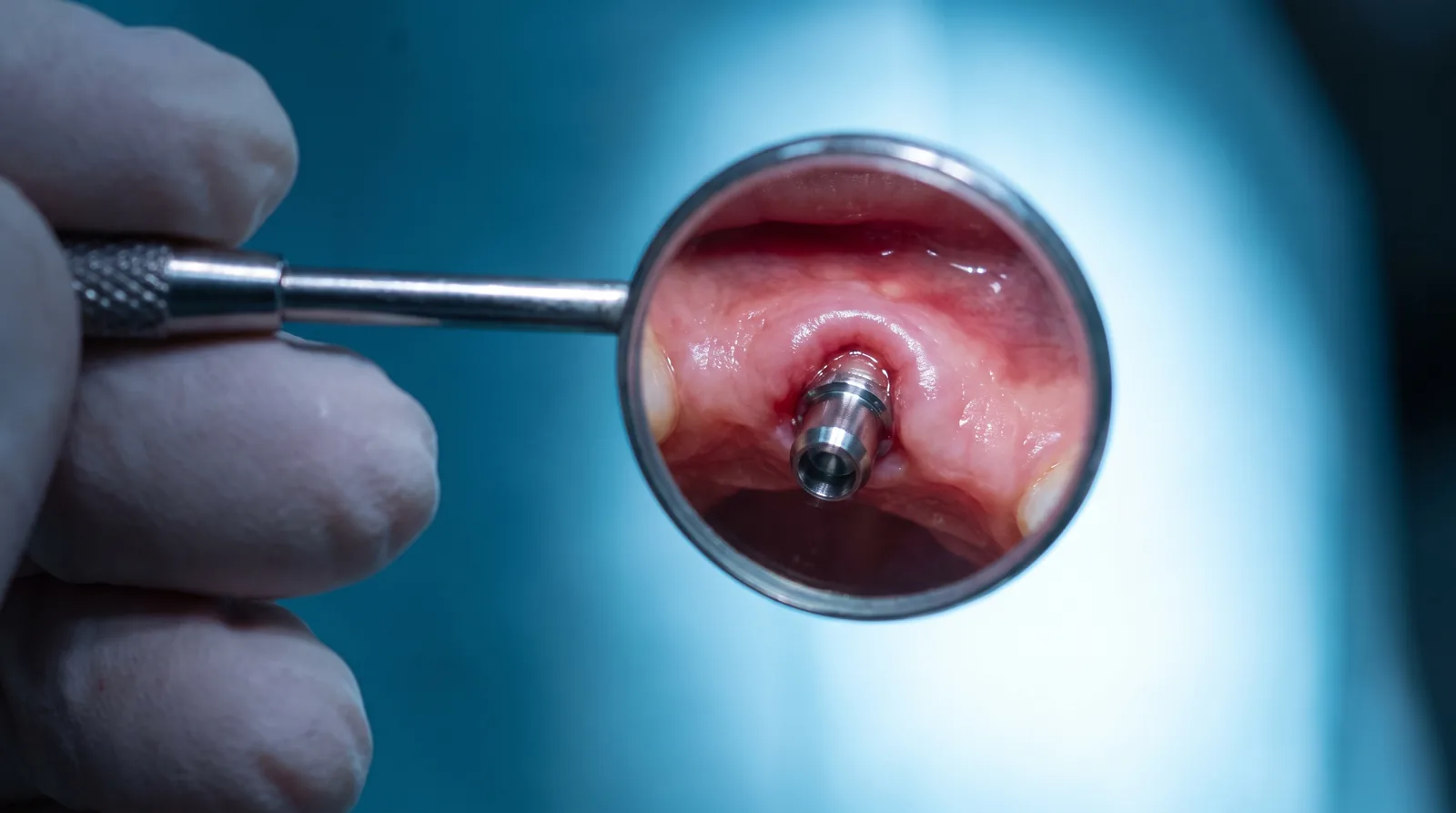
Roughly double the early failure rate and a substantially higher long-term complication rate, with the effect scaling with how much and how long the patient has smoked. In practical terms, a non-smoker's implant might carry a 2 to 4 percent chance of early failure and a smoker's a 5 to 10 percent chance, depending on the study and the site. In the upper jaw, where bone is softer, the gap is wider.
Those numbers describe implants, not patients. A full-arch case on four implants gives smoking four chances to cause a problem, and the loss of one implant in a four-implant case takes the bridge out of service. That is why some surgeons place six implants rather than four in smokers, and why some decline full-arch bridges for heavy smokers altogether. The All-on-4 versus All-on-6 comparison covers the reasoning.
How long do you have to stop smoking before dental implants?
Most surgeons ask for at least one to two weeks without smoking before surgery and at least eight weeks after, with many preferring longer on both sides. The period after surgery matters most, because that is when the implant is integrating and the gum is sealing around it. Some practices ask for two months before and three to six months after, especially for full-arch cases or grafting.
Why the period after matters more
Integration happens over the first several weeks and months, and the risk of early failure is concentrated in that window. Every day without smoking during it improves the odds. A patient who cannot commit to the full period should at least protect the first four to eight weeks.
What counts as stopping
Complete abstinence. Cutting down helps less than patients hope, because even a few cigarettes a day keep the blood vessels constricted and the tissue irritated. Providers who ask you to stop mean stop.
Getting help
The pre-surgery window is one of the most effective moments to quit for good, because there is a concrete reason and a date. Nicotine replacement, prescription medication, and counseling all improve the odds, and a physician can set them up before the surgery date.
Does vaping or nicotine replacement affect dental implants?
Nicotine itself constricts blood vessels, so nicotine in any form affects healing, though the evidence on vaping is younger and thinner than the evidence on cigarettes. Most surgeons treat vaping as smoking for the purpose of pre-surgery abstinence. Nicotine patches and gum still deliver nicotine, but without the heat, smoke, and suction of a cigarette, and many surgeons accept them during the abstinence period as the lesser risk.
Vaping
Vapor contains nicotine and irritants, and the heat and suction affect the surgical site. Until the research settles, assume vaping carries most of the risk of smoking for implant healing and follow the same abstinence guidance.
Patches and gum
Patches are usually considered acceptable during the healing period by surgeons who would rather a patient use them than relapse. Nicotine gum involves chewing, which is a problem in the weeks after surgery. Ask the surgeon which forms they accept.
Cannabis
Smoked cannabis carries the heat, smoke, and suction problems of cigarettes without the nicotine, and the research on its effect on implants is limited. Most surgeons ask patients to avoid smoking anything during healing. Edibles do not affect the surgical site directly but should still be discussed with the surgeon, particularly around sedation.
What can a smoker do to improve implant outcomes?
Stop for as long as possible before and after surgery, treat any gum disease first, keep every maintenance visit, and clean around the implants more carefully than a non-smoker would need to. Smokers who do these things have outcomes that approach those of non-smokers. Smokers who do none of them account for most of the failures in the studies.
- Set a stop date at least two weeks before surgery and hold it through at least eight weeks after. Longer is better.
- Have gum disease treated before implants are placed.
- Tell the surgeon honestly how much you smoke, so the plan can account for it.
- Ask whether six implants rather than four makes sense for a full arch.
- Commit to check-ups every three to four months in the first year.
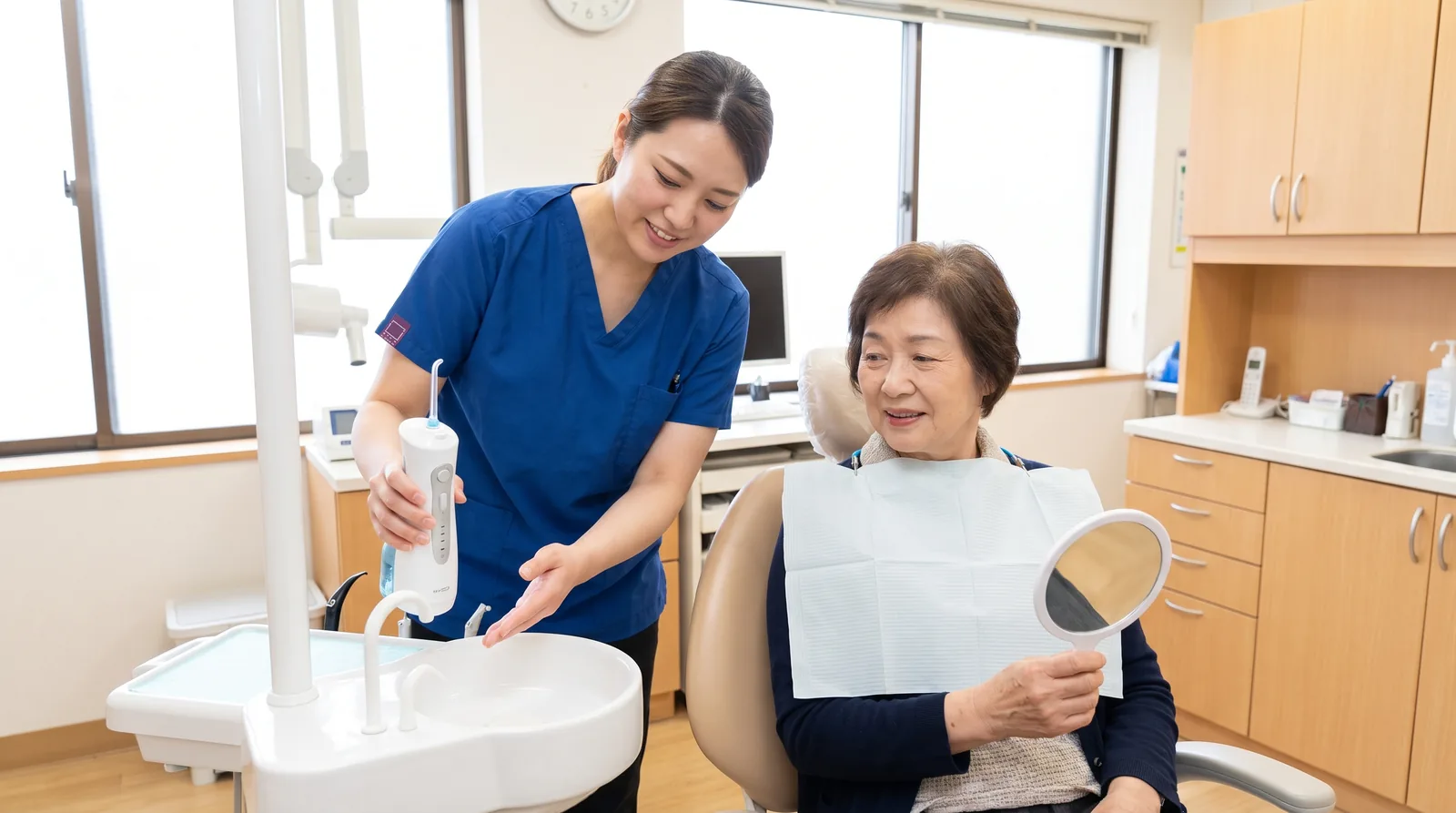
- Use a water flosser and clean under any bridge daily.
The guide to All-on-4 problems and failure explains why cleaning and maintenance are the habits that decide long-term success for every patient, and especially for smokers.
Do former smokers have the same risk as current smokers?
No. The effect of smoking on implant healing is largely tied to current nicotine exposure and current tissue irritation, and most of it fades within weeks to months of stopping. Former smokers who quit well before surgery have outcomes close to never-smokers in most studies. Long-term smoking does leave some lasting effects on bone and gum, so a decades-long former smoker is not identical to a never-smoker, but the difference is small compared with the difference between smoking and not smoking during healing.
What this means for timing
A patient who intends to quit permanently gets most of the benefit by quitting before surgery, and all of it by staying quit through healing. A patient who quits only for the surgical window still gets the early-failure benefit and loses the long-term one when smoking resumes, because peri-implantitis risk rises again with each year of smoking around the implants.
Telling the surgeon your history
A former smoker should still tell the surgeon how much and for how long they smoked. Long smoking histories affect bone quality, and the surgeon may plan implant length, diameter, and healing time accordingly.
Should a smoker tell the surgeon the truth?
Yes, and the reason is practical rather than moral. A surgeon who knows you smoke will plan for it: more implants, longer healing before loading, antibiotics, closer follow-up, and possibly a different approach to grafting. A surgeon who does not know will plan for a non-smoker, and the plan will carry risk it did not need to. Practices do not refuse smokers as a rule. They refuse to be surprised.
The Bottom Line
Smokers can get dental implants at most practices, with roughly double the early failure risk and a higher long-term infection risk, both of which shrink with abstinence before and especially after surgery. Providers typically ask for one to two weeks off before and eight or more weeks after, treat vaping as smoking, and often accept patches as the lesser risk. Tell the surgeon the truth, stop for as long as you can around the surgery, treat gum disease first, and keep every maintenance visit, and the odds move most of the way back toward a non-smoker's. And when you are ready, find qualified providers near you at Dental Implant Directory.
Ready to find a qualified provider?
Search our independent directory of dental implant providers organized by specialty, location, and credentials. Find Providers Near You.
Ready to find a qualified provider?
Search our independent directory of dental implant providers organized by specialty, location, and credentials.