Are You a Candidate for Dental Implants? Disqualifiers, Risks, and Failure Signs
Most adults who want implants can have them. The exceptions matter, though, because an implant placed in the wrong mouth fails, and the conditions that cause failure are often ones a provider can treat first. These guides help you find out where you stand before you spend money on a consultation.
The disqualifiers post lists nine conditions that stop or delay treatment, from uncontrolled diabetes to certain osteoporosis medications, and explains which ones are fixable and how long the fix takes. The reasons-not-to post is the argument against implants, written honestly, for anyone who suspects a provider is selling harder than the case warrants.
Separate guides go deeper on the conditions that come up most: diabetes, smoking, gum disease, osteoporosis medications, and whether you need a bone graft. The failure signs post and the peri-implantitis guide are for patients who already have implants, covering the symptoms that point to a failing implant and what the provider will do about each, and the lifespan guide gives the survival numbers by year. If you are unsure whether you qualify, the candidacy quiz gives you a readiness profile and a likely procedure path in a few minutes.
Start here

What Disqualifies You From Dental Implants? 9 Conditions and How Many Are Actually Fixable
A clinical breakdown of what actually disqualifies you from dental implants, the numbers surgeons measure, and how long it takes to turn most of these from a no into a yes.
Read the guideCandidacy & Risk guides

Are There Good Reasons Not to Get Dental Implants? An Honest Look Before You Commit
The legitimate reasons not to get dental implants: who is not a candidate, why implants fail, what regret looks like, and what to consider instead.

Can You Get Dental Implants With Diabetes? What the Numbers Have to Say
How diabetes affects implant healing, the A1C range most surgeons want to see, what changes in the surgical plan, and why a controlled diabetic patient does about as well as anyone else.

Can Smokers Get Dental Implants? How Much Smoking Raises the Failure Rate and What Providers Require
What smoking does to implant healing, how much it raises early and late failure, how long providers ask you to stop before and after surgery, and whether vaping, nicotine patches, and cannabis count.
Can You Get Dental Implants With Gum Disease? Why It Has to Be Treated First and What That Involves
How gum disease affects implant success, why every surgeon insists on treating it before placing implants, what periodontal treatment involves and costs, and how long you wait between the two.

Can You Get Dental Implants if You Take Osteoporosis Medication? Bisphosphonates, Prolia, and the Real Risk
What bisphosphonates and denosumab do to jawbone healing, the rare but serious complication surgeons worry about, how the risk differs between pills and infusions, and what a patient on these drugs should expect at an implant consultation.
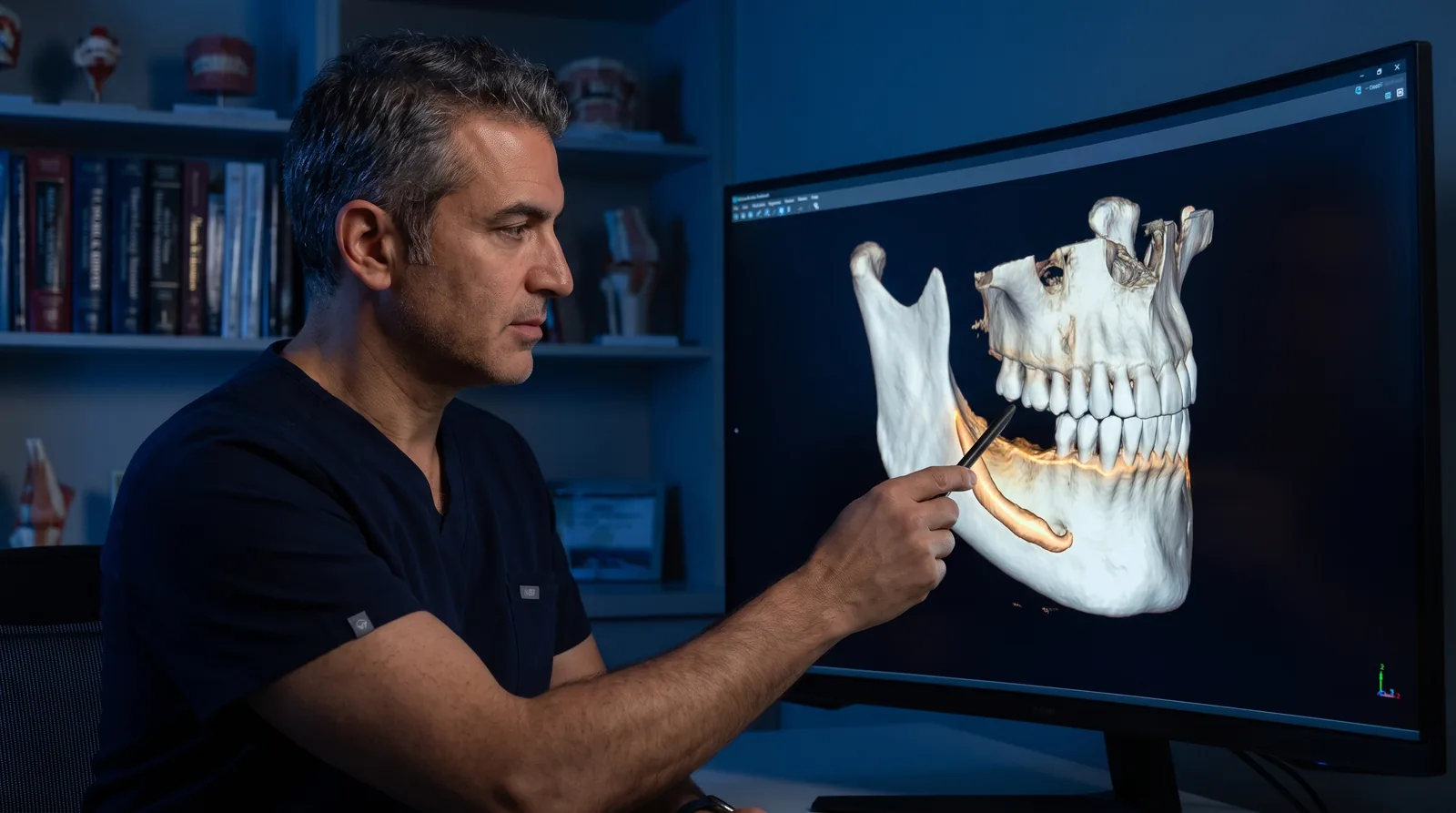
Do You Need a Bone Graft for Dental Implants? When Grafting Is Required, What It Costs, and How to Avoid It
The types of bone grafting used before implants, what each one costs and how long it takes, the situations that genuinely require it, and the implant techniques that let many patients skip it entirely.

9 Signs Your Dental Implant Is Failing and What Each One Actually Means
How to tell normal healing from real trouble, which symptoms need attention this week, and the one warning sign you will never feel on your own.
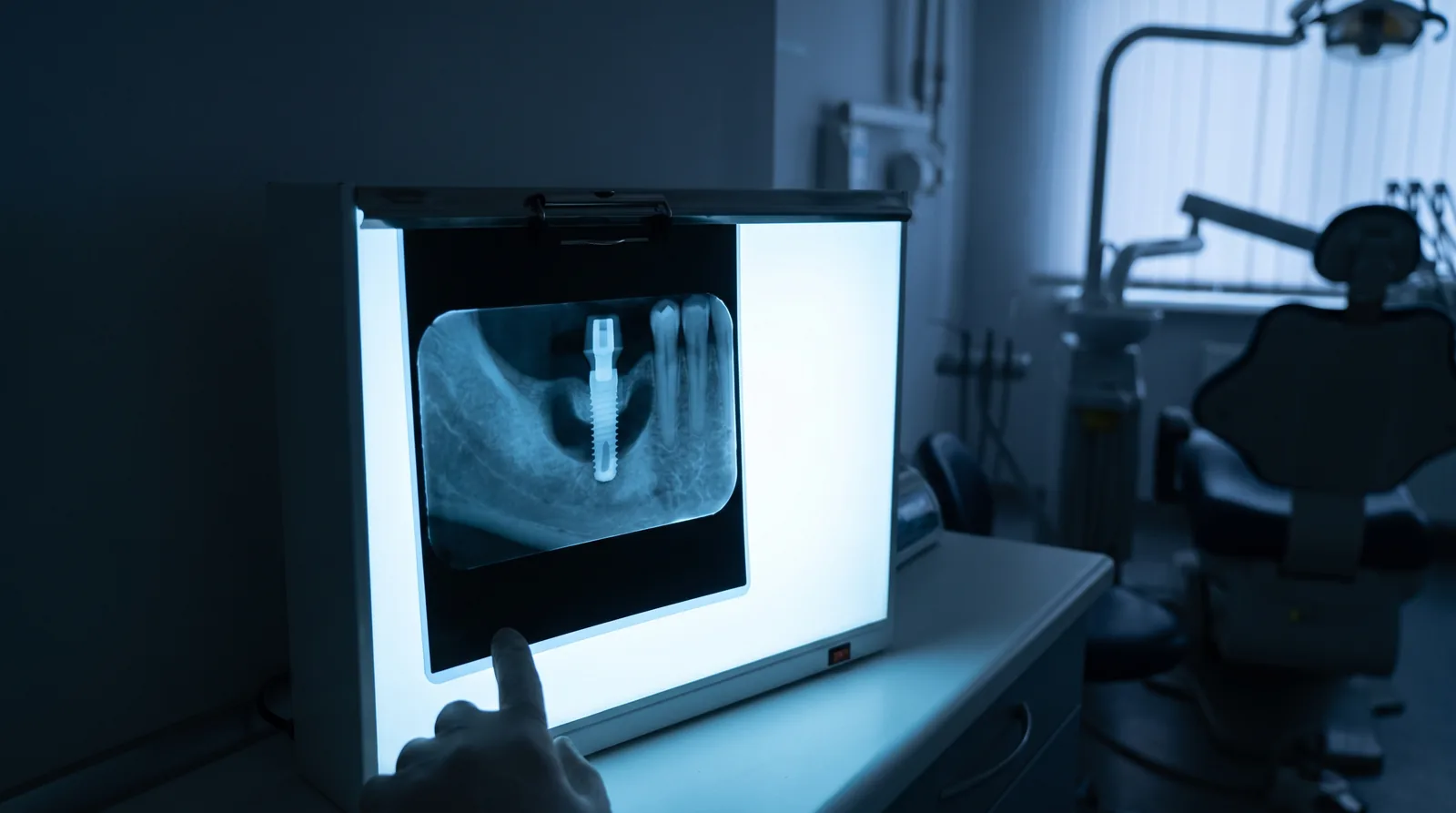
What Is Peri-Implantitis? The Infection That Causes Most Late Dental Implant Failures
What peri-implantitis is, how it differs from gum disease around a natural tooth, how common it is, the symptoms to catch it early, how it is treated at each stage, and the habits that prevent it.

How Long Do Dental Implants Last? Survival Rates by Year and What Shortens the Lifespan
What the long-term studies show about implant survival at ten, fifteen, and twenty-plus years, why the implant and the crown have different lifespans, the factors that shorten both, and what you can do to reach the long end of the range.
Common questions about candidacy & risk
- What disqualifies you from getting dental implants?
- Uncontrolled diabetes, active gum disease, heavy smoking, recent radiation to the jaw, certain bisphosphonate medications, and too little bone to hold an implant are the common reasons a provider says no or not yet. Most of these are treatable or manageable, which is why the answer is usually a delay rather than a permanent no.
- Can smokers get dental implants?
- Yes, but failure rates are higher because smoking slows bone healing and starves the gum tissue around the implant. Many providers ask patients to stop for a period before and after surgery. The disqualifiers post covers how long and what the evidence says about the risk.
- How do I know if my dental implant is failing?
- Pain that gets worse instead of better, an implant that moves, swelling or pus at the gum line, gums pulling away from the implant, and trouble chewing are the signs to act on. The failure signs post explains what each one usually means and what the provider will check.
- Is there an age limit for dental implants?
- There is no upper age limit. Healing takes longer with age and health conditions become more common, but implants succeed in patients in their eighties and nineties when bone and general health allow. The lower limit is the end of jaw growth, usually the late teens.
Related guides from other topics

Can You Get All-on-4 Sedation Safely With a History of Addiction?
A practical guide to All-on-4 sedation for patients in recovery from opioid, benzodiazepine, or alcohol use disorder: what's safe, what to disclose, MAT medication considerations, and how to find a surgeon who handles these cases routinely.

What Changes in Your Mouth After 60, and What Should You Do About It?
A plain-language guide to dry mouth, receding gums, root decay, loose dentures, and the point at which an implant becomes the sensible choice.
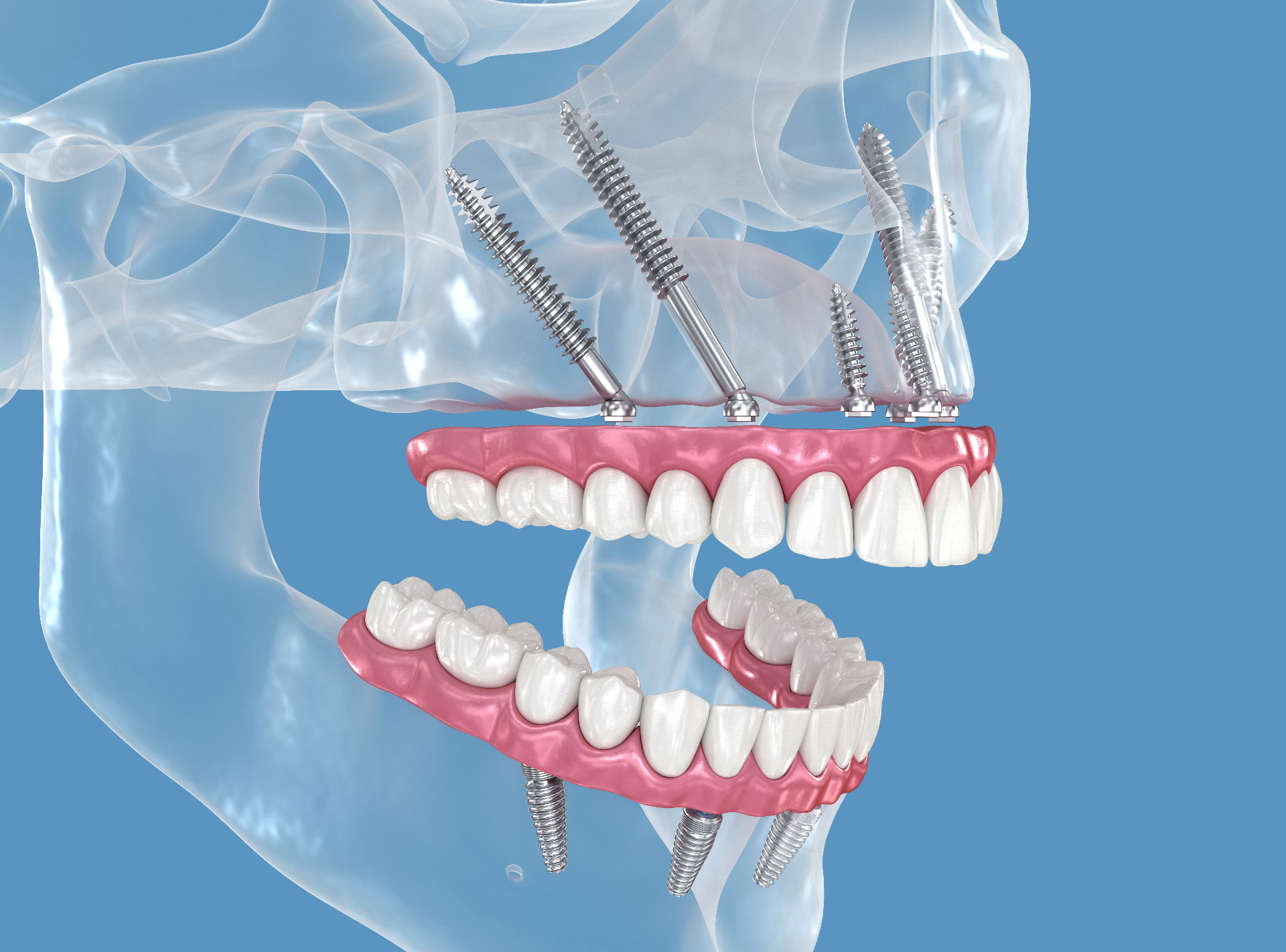
What Are Zygomatic Dental Implants and Who Is a Candidate?
A practical guide to zygomatic implants for patients with severe upper jaw bone loss: what they are, who qualifies, what they cost, success rates, recovery, and how to find a qualified surgeon.
Browse other topics
Ready to compare providers near you?
Browse dental implant practices by city with Google ratings, review counts, and specialties.
Find Providers by City