
"Implants last a lifetime" is the promise on every practice website, and "implants can fail" is the warning in every forum. Both are true in a way that does not help a patient decide. The useful answer is a set of numbers: what fraction of implants are still in service after ten years, after twenty, and what separates the ones that make it from the ones that do not.
The numbers exist, because dental implants have been placed in large numbers since the 1980s and followed in long-term studies. They are better than most patients expect and less absolute than the marketing implies. They also describe the implant fixture in the bone, which is not the same thing as the crown or bridge on top of it, and the difference matters for planning what an implant will cost over the years you have it.
This guide gives the survival figures, separates the fixture from the prosthesis, explains what shortens each one's life, and covers what you can do about it.
How long do dental implants last on average?
The implant fixture, the titanium post in the bone, survives at rates above 95 percent at ten years in most published series and above 90 percent at fifteen to twenty years. Many implants placed in the 1980s and 1990s are still in service, and the fixture is generally described as a permanent restoration for a patient who maintains it. The crown or bridge on top typically lasts ten to fifteen years before it needs replacement, and a full-arch acrylic bridge often less.
Those are averages across all patients. A non-smoking patient with no periodontal history who keeps every maintenance visit sits well above them. A smoker with a history of gum disease who misses visits sits below.
What is the difference between implant survival and implant success?
Survival means the implant is still in the mouth. Success means it is healthy, stable, free of infection, and functioning without problems. Nearly every study reports survival, and survival numbers look better than success numbers, because an implant with early peri-implantitis is surviving but not succeeding. When a practice quotes a survival rate, ask what its complication rate is too.
What are dental implant survival rates by year?
Roughly 96 to 98 percent at five years, 94 to 97 percent at ten years, and around 90 to 95 percent at fifteen to twenty years for single implants in healthy patients, with full-arch cases in a similar range. Most failures cluster in the first year, before or shortly after the implant integrates. After that, the failure rate per year is low and driven mostly by infection around the implant.
The first year
Early failure, where the implant never fuses with bone, accounts for a large share of all failures. It happens in roughly 2 to 4 percent of implants in healthy non-smokers and roughly double that in smokers or in soft bone. It is the reason surgeons pay so much attention to initial stability and healing time.
Years two through ten
Failures in this period are almost all peri-implantitis, the infection and bone loss around an implant that develops from plaque, smoking, gum disease history, and missed maintenance. The guide to peri-implantitis explains how it develops and how it is treated.
Beyond ten years
Survival stays high in patients who maintain their implants. The fixture rarely fails on its own. What changes is the prosthesis, which wears, chips, and eventually needs remaking.
How long does the crown or bridge on an implant last?
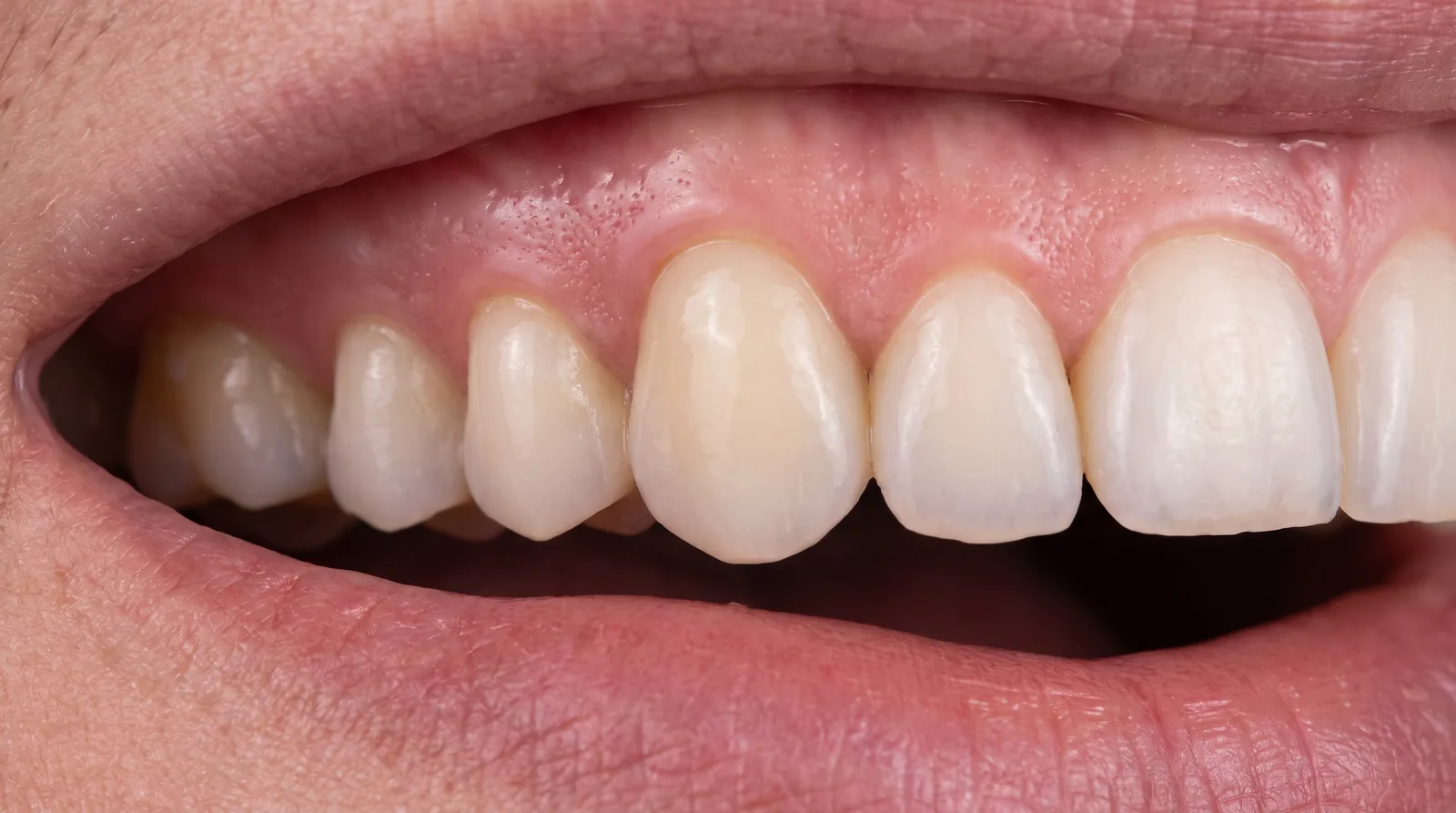
A single implant crown lasts ten to fifteen years on average before wear, chipping, or a change in the surrounding teeth calls for replacement. An acrylic full-arch bridge lasts five to ten years before significant repair or replacement. A zirconia full-arch bridge is expected to last ten to twenty years, with a shorter track record than acrylic. Replacing a crown or bridge does not involve surgery and costs a fraction of the original case.
The comparison of zirconia and acrylic All-on-4 bridges covers the material trade for full arches. For single crowns, the material matters less than the bite: a crown that takes heavy force from grinding wears faster in any material.
What shortens the lifespan of a dental implant?
Smoking, untreated or poorly controlled gum disease, uncontrolled diabetes, grinding without a night guard, poor daily cleaning, missed maintenance visits, and implants placed in positions or with prostheses that cannot be cleaned. Each one raises the risk of peri-implantitis or mechanical overload, and they compound.
Smoking
The largest single factor in the research, roughly doubling early failure and raising long-term infection risk. The guide to dental implants for smokers covers how much abstinence helps.
Gum disease history
Patients who lost teeth to periodontitis have higher peri-implantitis rates for life, even after treatment. The guide to gum disease and implants explains why maintenance is stricter for them.
Diabetes
Uncontrolled diabetes slows integration and raises infection risk. Controlled diabetes has little effect. The guide to dental implants with diabetes gives the A1C range providers look for.
Grinding
Bruxism loads implants and prostheses beyond what they were designed for and causes screw loosening, fractures, and bone loss. A night guard is the fix, and it has to be worn.
Cleaning and maintenance
Plaque under a bridge or around a crown is the direct cause of most late failures. Daily cleaning that reaches below the gum and professional maintenance every three to six months are what keep an implant into its third decade.
What can you do to make dental implants last longer?
Choose a provider who plans the case carefully, do not smoke, treat gum disease before and maintain after, control blood sugar, wear a night guard if you grind, clean daily with tools that reach around and under the prosthesis, and keep every maintenance visit. Patients who do these things routinely reach twenty and thirty years on the original fixtures.
- Choose a surgeon with real case volume and a prosthesis designed to be cleaned. The checklist for choosing an implant provider covers what to verify.
- Stop smoking before surgery and stay stopped.
- Treat gum disease first and keep a three-to-four-month maintenance schedule if you have a periodontal history.
- Keep diabetes controlled.
- Wear a night guard if you grind or clench.
- Clean around the implant daily with a water flosser or interdental brushes, and under any bridge.
- Report bleeding, swelling, or looseness immediately. The guide to the signs of a failing implant explains what each one means.

How does a full-arch bridge's lifespan compare with a single implant's?
The implants under a full-arch bridge last as long as any implants, but the bridge itself has a shorter and more variable life than a single crown, and its failure modes are different. An acrylic bridge wears and chips and is typically replaced within five to ten years. A zirconia bridge lasts longer but can fracture. And a full-arch case has four to six implants, each carrying its own small risk, so the chance that at least one needs attention over twenty years is higher than for a single implant.
What full-arch patients should plan for
At least one bridge replacement over twenty years, periodic screw and attachment maintenance, professional removal and cleaning of the bridge every year or two, and the possibility of a single implant needing treatment or replacement. None of these are failures of the treatment. They are its maintenance profile, and they belong in the long-term cost estimate. The guide to All-on-4 problems and failure covers each one.
Why six implants sometimes outlast four
With six implants under a bridge, the loss of one can often be absorbed while the site is repaired. With four, it usually means the bridge comes off. That resilience is one reason surgeons recommend six for smokers and heavy grinders.
Do dental implants last longer than bridges and dentures?
Yes, by a wide margin. A tooth-supported bridge lasts ten to fifteen years and often takes its anchor teeth with it when it fails. A denture is relined every few years and replaced every five to eight. An implant fixture, maintained, is expected to outlast both several times over, which is the basis for the long-term cost case in the guide to whether dental implants are worth the cost.
The Bottom Line
Dental implant fixtures survive at rates above 95 percent at ten years and above 90 percent at fifteen to twenty in most studies, with most failures in the first year and the rest driven by infection around the implant. The crown or bridge on top lasts ten to fifteen years for a single crown, less for an acrylic full arch, and is replaced without surgery. Smoking, gum disease, uncontrolled diabetes, grinding, and poor cleaning shorten the lifespan; a good provider, daily cleaning, and lifelong maintenance extend it into decades. And when you are ready, find qualified providers near you at Dental Implant Directory.
Ready to find a qualified provider?
Search our independent directory of dental implant providers organized by specialty, location, and credentials. Find Providers Near You.
Ready to find a qualified provider?
Search our independent directory of dental implant providers organized by specialty, location, and credentials.