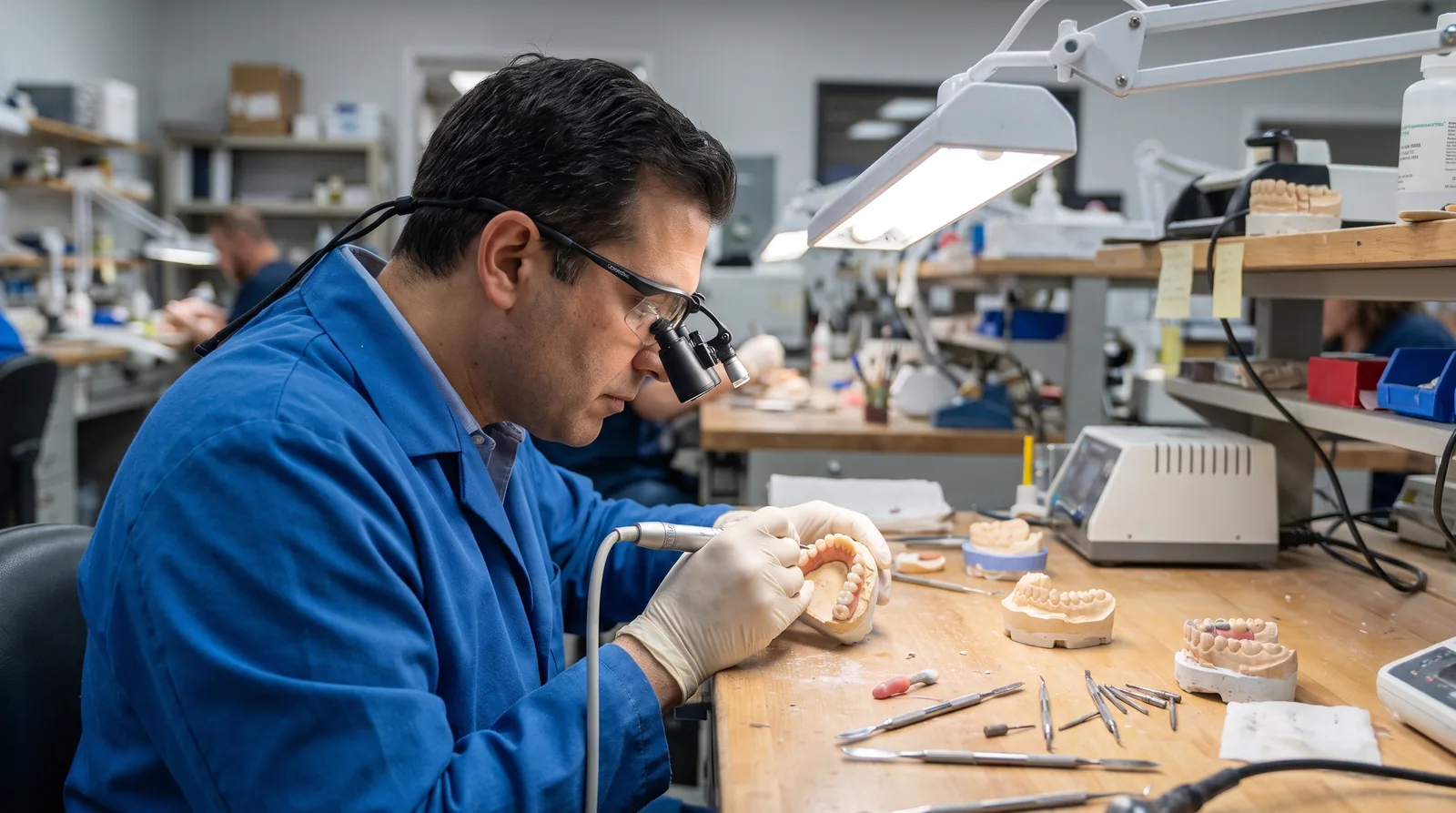
Every implant case has two halves. The surgical half puts titanium in bone, and patients know to ask who does it. The prosthetic half designs and delivers the teeth that sit on the titanium, and almost nobody asks who does that. The teeth are the part you see, chew with, speak through, and clean for the rest of your life, and in a full-arch case they are the more expensive half of the bill. The specialist trained for that half is the prosthodontist, and most patients have never heard the word.
That matters because the prosthetic half is where a technically successful surgery becomes a bridge that is too bulky, a bite that never feels right, or a smile that looks like dentures. Surgeons are trained to place implants. Restoring the implants well is a separate skill, and the question of who has it is one of the most useful questions a patient can ask.
This guide explains what a prosthodontist does, when a case needs one, and how to check whether your provider has the training.
What is a prosthodontist?
A prosthodontist is a dentist who completed an additional three-year residency in restoring and replacing teeth, including crowns, bridges, dentures, and the prostheses that attach to implants. Prosthodontics is one of the dental specialties recognized by the American Dental Association, and board certification through the American Board of Prosthodontics requires passing written and oral examinations after the residency.
Prosthodontists design the teeth. In an implant case they plan where implants should go so the teeth can be built correctly, design the crown or bridge, manage the bite, choose the materials, and handle the fitting and adjustment. Many also place implants themselves. The guide to what implant credentials mean explains how this specialty compares with the others a patient will see.
What does a prosthodontist do in a dental implant case?
They plan the case from the teeth backward, design the prosthesis, and take responsibility for how it looks, fits, and functions. In a well-run case the prosthodontist decides where the teeth need to be first, and the surgeon places the implants to support that plan, rather than the other way around.
Planning
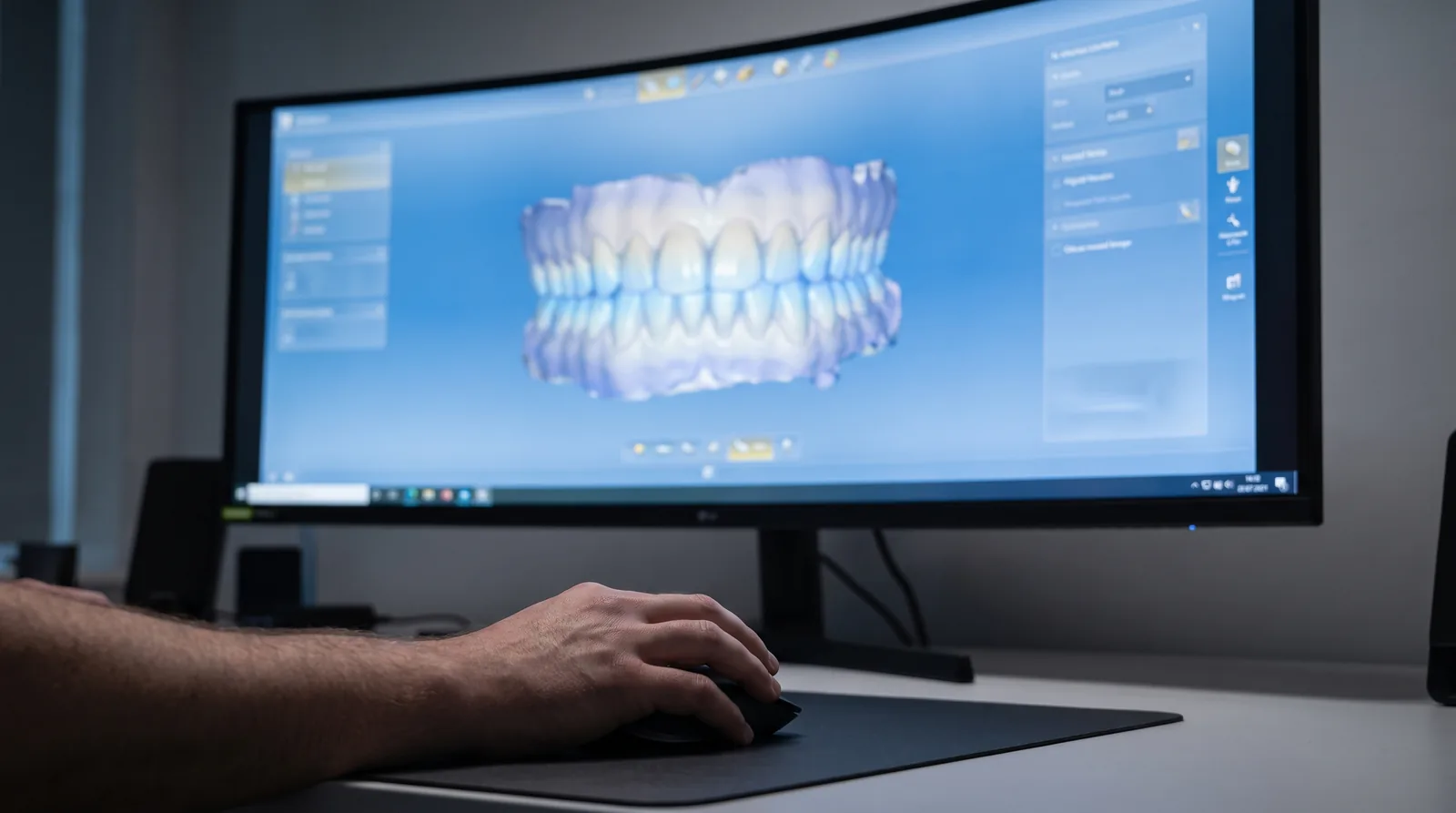
Before surgery, the prosthodontist determines the position, shape, and bite of the final teeth, often through a wax-up or digital design, and translates that into a surgical guide that tells the surgeon where each implant should go. Implants placed without this planning can end up in positions that force a bulky or compromised bridge.
Design and material
The prosthodontist chooses between acrylic, zirconia, and other materials based on the patient's bite, habits, and budget, and designs the bridge's contours so it can be cleaned and does not trap food. The comparison of zirconia and acrylic All-on-4 bridges covers the material decision they are making.
Fit and bite
A full-arch bridge must fit the implants passively, meaning it seats without strain, and the bite must be balanced so no implant takes more force than the others. Getting this right is what prevents loose screws, fractured teeth, and long-term overload. The guide to All-on-4 problems and failure explains what goes wrong when it is not.
Appearance and speech
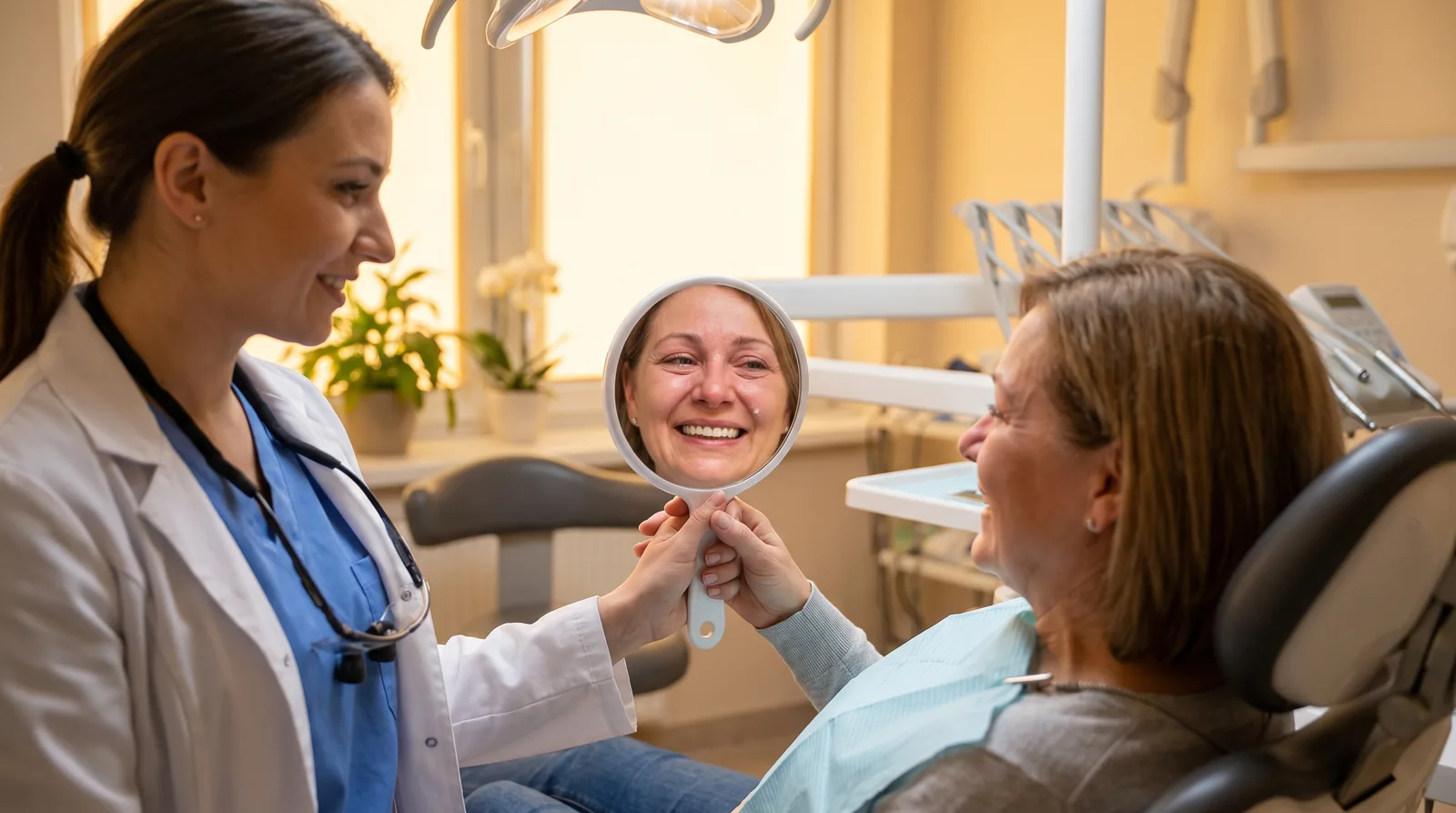
Tooth shape, shade, gum contour, and the thickness of the bridge behind the front teeth all affect how the result looks and how the patient speaks. This is the part of the case that separates a bridge that looks like teeth from one that looks like a denture.
When does a dental implant case need a prosthodontist?
Full-arch cases, cases involving many teeth, cases where the bite is worn or collapsed, cases with high aesthetic demands, and cases where a previous restoration has failed. A single implant crown in a healthy bite does not require one, and a general dentist with implant training restores it routinely.
Full-arch cases
A fixed full-arch bridge is the most demanding prosthesis in dentistry. It replaces an entire arch of teeth and gum, has to be cleanable, has to survive years of chewing, and has to look right. Full-arch centers employ prosthodontists for this reason, and an independent surgeon doing full arches should either have one on the team or have extensive documented full-arch experience. The understanding All-on-4 guide describes what the prosthetic phase involves.
Complex bites
A patient whose teeth are worn down, whose jaw has shifted after years without back teeth, or who has a history of jaw joint problems needs the bite rebuilt, not just the teeth replaced. That is prosthodontic work.
Failed prior restorations
A bridge that has failed, a denture that never fit, or implants placed years ago in positions that make restoration difficult all call for a prosthodontist to design a solution that works with what exists.
Aesthetic priority
For patients whose front teeth are the concern, a prosthodontist's training in shape, shade, and gum contour produces results that general training does not reliably match.
Do prosthodontists place dental implants?
Many do, and some practices are run by a prosthodontist who plans, places, and restores the entire case. Prosthodontic residencies include implant surgery training, and the specialty's focus on the final result makes a prosthodontist-placed implant well positioned for its crown or bridge. Others work in partnership with an oral surgeon or periodontist who places the implants they have planned.
Either arrangement works. What matters is that the surgical and prosthetic halves are planned together, and that the person responsible for the teeth was involved before the implants went in. The guide to which specialist should place your implants covers the surgical specialties and how they pair with prosthodontics.
How do you know if your provider has prosthetic training?
Ask who will design and deliver your teeth, what their training is, and how many cases like yours they have completed. A prosthodontist can be verified through the American Board of Prosthodontics directory or the American College of Prosthodontists. A general dentist doing the restorative work should be able to describe their implant restoration training and show photographs of finished cases.
- Who designs my final crown or bridge, and are they a prosthodontist?
- If not, what implant restoration training have they completed and how many full arches have they delivered?
- Will the teeth be planned before the implants are placed, and will a surgical guide be used?
- Can I see photographs of finished cases like mine, on patients rather than models?
- Who handles adjustments and repairs to the bridge after delivery?
The checklist for choosing an implant provider covers the rest of the consultation.
What goes wrong when the prosthetic half is neglected?
Bridges that are too thick and affect speech, bites that are uneven and overload one side, teeth that look flat and uniform, gum contours that trap food, and screws that loosen because the bridge does not seat passively. None of these are surgical failures. The implants are fine. The teeth on top of them were designed by someone without the training to design them, or were designed after the implants were already in the wrong place.
The order of operations
The most common cause is implants placed first and teeth designed second. Implants that emerge through the gum at the wrong angle or in the wrong position force the lab to compensate with bulk, and the patient lives with the compromise. Planning the teeth first and placing implants to support them avoids this, which is why a surgical guide built from a prosthetic plan is a sign of a well-run case.
What it costs to fix
A bridge that has to be remade for fit, speech, or appearance runs several thousand dollars for acrylic and far more for zirconia, and implants in poor positions can limit what the remake can achieve. The guide to All-on-4 temporary versus final teeth describes what a well-planned final delivery involves, and the difference between that and a compromised one is usually visible at the try-in.
Does a prosthodontist cost more?
Usually somewhat, and for a full arch the difference is small relative to the case. Prosthodontists charge specialist fees for restorative work, and a case that involves both a surgeon and a prosthodontist has two providers to pay. Full-arch centers fold this into a single price. Independent surgeons who refer the restoration out will quote it separately.
For a single implant crown the premium may not be worth it. For a full arch, the prosthetic half is where the money is anyway, and the difference between a bridge that lasts and one that is remade in five years is larger than the difference in fees. The All-on-4 cost breakdown explains where the prosthetic costs sit in a full-arch quote.
The Bottom Line
A prosthodontist is the specialist trained to plan, design, and deliver the teeth that sit on implants, and in a full-arch case that is the half of the work that decides how the result looks, feels, and lasts. Single implants rarely need one. Full arches, complex bites, failed prior work, and aesthetically demanding cases do, or at least need a provider with documented restorative volume. Ask who will design your teeth, verify the training, and make sure the teeth were planned before the implants were placed. And when you are ready, find qualified providers near you at Dental Implant Directory.
Ready to find a qualified provider?
Search our independent directory of dental implant providers organized by specialty, location, and credentials. Find Providers Near You.
Ready to find a qualified provider?
Search our independent directory of dental implant providers organized by specialty, location, and credentials.